How Predictive Analytics is Reshaping Retail
The challenge of managing inventory and volatile consumer demand is no longer a manual task. Discover how AI is turning data into foresight.

Understanding Demand Forecasting Through Machine Learning
Traditional retail relies on historical averages, but the modern market is too volatile for hindsight. Predictive modeling uses Machine Learning algorithms to analyze thousands of variables—from seasonal weather patterns to social media trends—to predict exactly what products will be in demand and where.
"Predictive analytics doesn't just tell you what happened; it tells you why it happened and what's coming next, allowing retailers to optimize stock levels and reduce waste by up to 30%."
Automated Cross-Selling
CompassAI identifies market basket patterns automatically. By understanding which products are frequently purchased together, AI can trigger personalized recommendations in real-time.
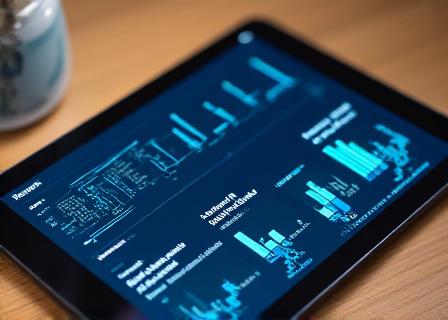
Preparing Your Retail Data for Predictive Modeling
The success of predictive analytics depends on the quality of your underlying data. We recommend a three-step audit to ensure your infrastructure is ready:
| Phase | Action Item | Expected Outcome |
|---|---|---|
| Data Consolidation | Merge POS system data with e-commerce logs. | Unified view of customer behavior. |
| Cleaning | Remove duplicate records and fix formatting errors. | Higher accuracy in AI forecasts. |
| Latency Check | Transition from batch processing to real-time streams. | Agility in responding to market shifts. |
Conclusion: Audit Your Infrastructure
Predictive analytics is no longer a luxury for giant corporations; it is a necessity for retail survival. By auditing your data today, you set the foundation for a predictive engine that navigates market volatility with ease.
Start Your Data Audit